
NATURE AND TIME: THE TWO KEY FACTORS FOR EXCEPTIONAL FISH
From the beginning of the rearing cycle, which lasts approximately three years, a rigorous selection of fingerlings (alevines) is carried out.
This key process allows for minimal intervention throughout their development, ensuring natural growth in total harmony with the environment.
This perfect balance results in fish with firm flesh, delicate flavor, and optimal fat infiltration—qualities that make them a product of high gastronomic interest for any preparation: raw, grilled, roasted, steamed, or fried.
OUR FISH
SEA BASS
Dicentrarchus labrax
The estero seabass is synonymous with nature and quality. Its sleek silhouette and elongated body—covered in large, lead-gray scales with a brilliant white belly—reflect the purity of the natural environment where it is raised.
Throughout the year, its fat content varies according to water temperature, often being categorized as a semi-fatty fish. However, the stable conditions of the estero minimize these fluctuations, guaranteeing a consistent and balanced product in terms of fat content, texture, and
flavor.
BUY →
OUR FISH
GILTHEAD SEA BREAM
Sparus Aurata
Its name comes from the distinctive golden band between and around its eyes. The estero Gilthead seabream is characterized by its oval body and the unmistakable golden hue on its head—a reflection of its origin in pure, natural waters.
In the gastronomic world, it is a highly valued fish. Its juicy, white flesh offers a more intense flavor than that of the seabass, making it an exquisite and delicate choice for the most discerning palates.
But its uniqueness goes far beyond its flavor.
BUY →
OUR FISH
OTHER FISH
In the estero, seabass and Gilthead seabream are the main protagonists, but they are not alone. These waters also offer a wide variety of fish, shellfish, and mollusks that thrive naturally, such as mullet, meager, sole, sea bream, and eels.
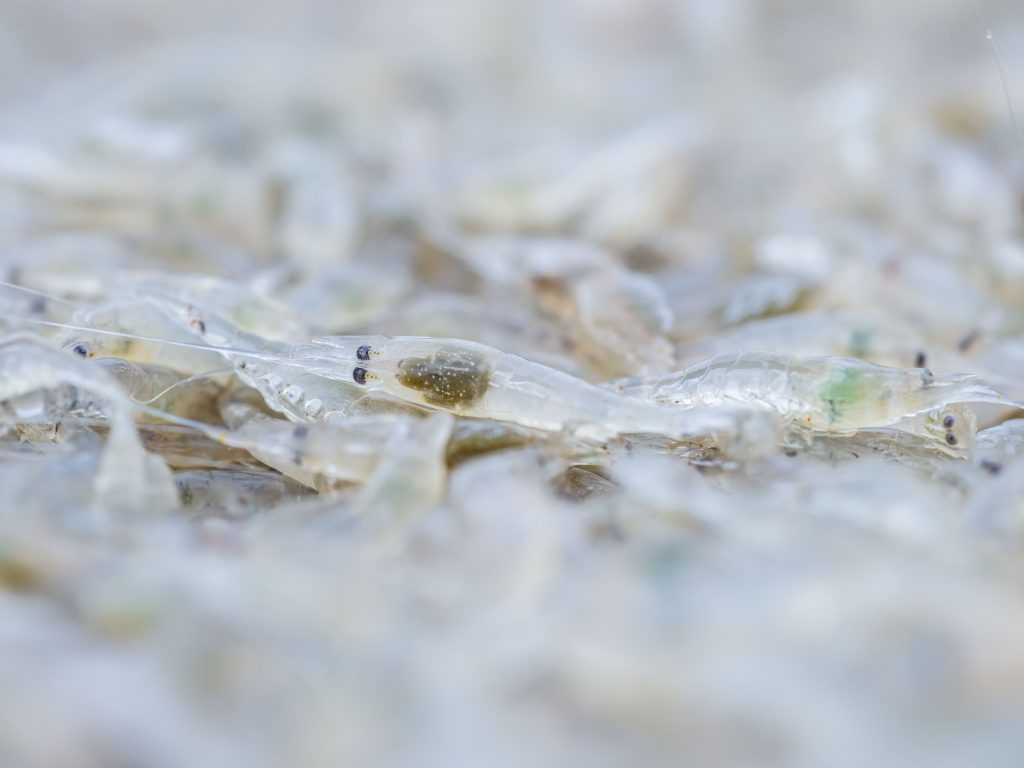
High-quality shrimp and tiger prawns are raised here, alongside oysters, clams, and a rich diversity of seaweed.